
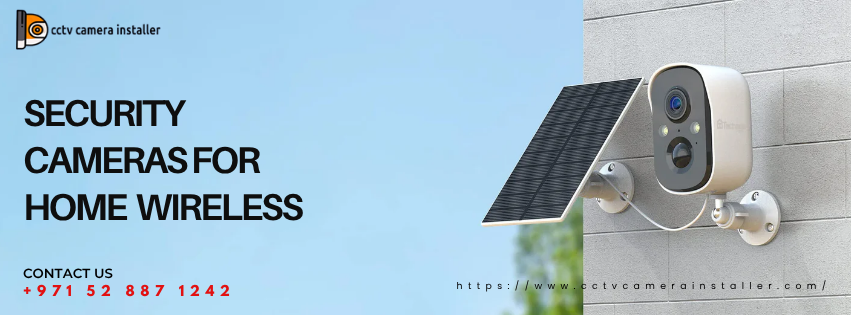
Security camera for home wireless
A security camera for home wireless use offers a convenient and reliable solution for monitoring your property and ensuring the safety of your loved ones. These devices are designed to provide high-quality video footage, often in HD or 4K resolution, and typically feature motion detection, night vision, and two-way audio capabilities. Wireless connectivity allows for easy installation without the need for extensive wiring, making them ideal for both indoor and outdoor use. Many models integrate seamlessly with smartphone apps or smart home systems, enabling real-time alerts, remote access, and cloud storage options. When choosing a wireless security camera, consider factors such as battery life, weather resistance, and encryption protocols to ensure optimal performance and data security.
Why Choose a Security Camera for Home Wireless?
Choosing a security camera for home wireless is becoming increasingly popular among homeowners, and for good reason. These cameras eliminate the need for complex cabling and offer flexible installation locations. Whether you want to mount one at your front door, backyard, or inside your living room, wireless cameras provide you with hassle-free surveillance options.
One of the standout advantages of a security camera for home wireless setup is the ease of installation. Most models are designed for DIY installation, allowing homeowners to set up a complete security system within minutes. This eliminates the need for hiring professional technicians and reduces setup costs.
Key Features of a Security Camera for Home Wireless
When looking for the ideal security camera for home wireless, it’s essential to evaluate several key features:
1. HD/4K Video Resolution
Clear image quality is critical for identifying faces, license plates, or any unusual activity. Most wireless security cameras offer HD (1080p) or even 4K resolution for sharper video clarity.
2. Night Vision
A security camera for home wireless should include infrared night vision or color night vision, allowing surveillance to continue even in total darkness.
3. Motion Detection
Modern wireless cameras are equipped with motion sensors that trigger alerts or recording when movement is detected. Advanced models offer person detection or vehicle recognition for reduced false alerts.
4. Two-Way Audio
This feature enables you to speak and listen through the camera using your smartphone, adding an extra layer of interaction and security. It’s especially useful for front door interactions or warning intruders.
5. Cloud and Local Storage
Choose a security camera for home wireless that provides flexible storage options. Cloud storage allows for off-site backup, while local SD card storage offers more privacy and no recurring fees.
6. Smartphone App Integration
The ability to monitor your camera from anywhere using a mobile app is a standard feature. Some models also work with Alexa, Google Assistant, or Apple HomeKit for hands-free operation.
Benefits of Installing a Security Camera for Home Wireless
Convenience and Flexibility
With no wires involved, the security camera for home wireless can be placed almost anywhere. Whether you’re renting an apartment or owning a large villa, these cameras adjust to your space without damaging walls or requiring heavy setup.
Real-Time Monitoring
One of the best things about a security camera for home wireless is the ability to check in anytime, anywhere. Whether you’re on vacation or at work, you can view live footage from your phone.
Enhanced Safety
These cameras serve as a strong deterrent to burglars. Knowing that a home is equipped with a security camera for home wireless system can dissuade criminal activity before it even begins.
Easy Scalability
You can start with one or two cameras and add more as needed. Most wireless systems allow seamless integration of additional cameras, covering more areas without replacing the existing system.
How to Install a Security Camera for Home Wireless
Installing a security camera for home wireless is usually a straightforward process. Most models come with a step-by-step guide and user-friendly apps. Here’s a basic overview of how to install them:
Choose the Right Location: Select areas that cover entry points like doors, driveways, or windows.
Mount the Camera: Use the provided brackets or adhesive mounts. Outdoor cameras should be positioned under shelter or in weather-resistant enclosures.
Connect to Wi-Fi: Ensure strong signal strength. A weak connection can disrupt real-time footage and alerts.
Configure Settings via App: Set motion sensitivity, alert preferences, and cloud storage settings via the camera’s companion app.
Use Cases for Security Camera for Home Wireless
Front Door Surveillance: Monitor deliveries, visitors, or potential intruders.
Garage and Driveway Monitoring: Capture vehicle activity and alert you in real time.
Indoor Baby or Pet Monitoring: Some wireless cameras double as nanny cams or pet monitors.
Backyard or Garden Monitoring: Detect unauthorized movement in private areas.
Vacation Security: Receive real-time alerts while you’re traveling, giving you peace of mind.
Security Camera for Home Wireless: Indoor vs. Outdoor
It’s essential to differentiate between indoor and outdoor security camera for home wireless devices:
Indoor Cameras: Focus more on aesthetics and offer features like pan & tilt, two-way audio, and face recognition.
Outdoor Cameras: Built to withstand harsh weather, these cameras typically have wider viewing angles, night vision, and robust enclosures.
Factors to Consider Before Buying a Security Camera for Home Wireless
Wi-Fi Range & Signal Strength: Ensure your home Wi-Fi reaches the camera location without interruptions.
Power Source: Some cameras are battery-powered, while others need to be plugged in.
Subscription Costs: Some manufacturers require monthly plans for cloud storage or advanced features.
Privacy Features: Choose a security camera for home wireless with end-to-end encryption and two-factor authentication.
Customer Support: Consider a brand with reliable customer service and easy-to-understand user guides.
Maintenance Tips for Your Security Camera for Home Wireless
To keep your system running smoothly:
- Regularly check Wi-Fi connectivity and power source.
- Clean camera lenses for clear footage.
- Update firmware to patch vulnerabilities.
- Review and delete old footage to free up storage.
Future Trends in Security Camera for Home Wireless Technology
The market for security camera for home wireless systems is rapidly evolving. Key trends include:
- AI-Powered Detection: Cameras that can differentiate between humans, animals, and objects.
- Edge Storage: Cameras storing data locally using AI chips.
- Solar Charging: Environmentally friendly power options.
- Multi-Cam Kits: Entire systems controlled from a single app.
- Voice AI Integration: Deep integration with voice assistants and gesture controls.